Three Languages, One Citability: South Tyrol's Quiet Advantage
Berger+Team · Oct 21, 2026
Topic: Multilingual website
In South Tyrol, trilingualism is everyday life: German, Italian, often English too. What's self-evident in business becomes, in the AI age, a quiet, underrated location advantage — provided your digital foundation plays along cleanly in all three languages. This article shows why native multilingualism makes you citable in AI answers in three markets at once.
Why language isn't an add-on for AI
An AI answer engine prefers to cite the source that answers a question cleanly in the language of the question. If someone asks in Italian, the AI looks for the Italian version; if someone asks in German, the German one. If you offer only one language cleanly and machine-translate the rest, you'll get cited more weakly — or not at all — in the other markets.
That's the core: a well-translated, standalone language version is a full-fledged source for the AI. An automatically overlaid translation is not — it comes across as thin, sometimes wrong, and the AI notices the difference. We explain separately why a translate button is not enough for this.
The difference between “translated” and “built multilingual”
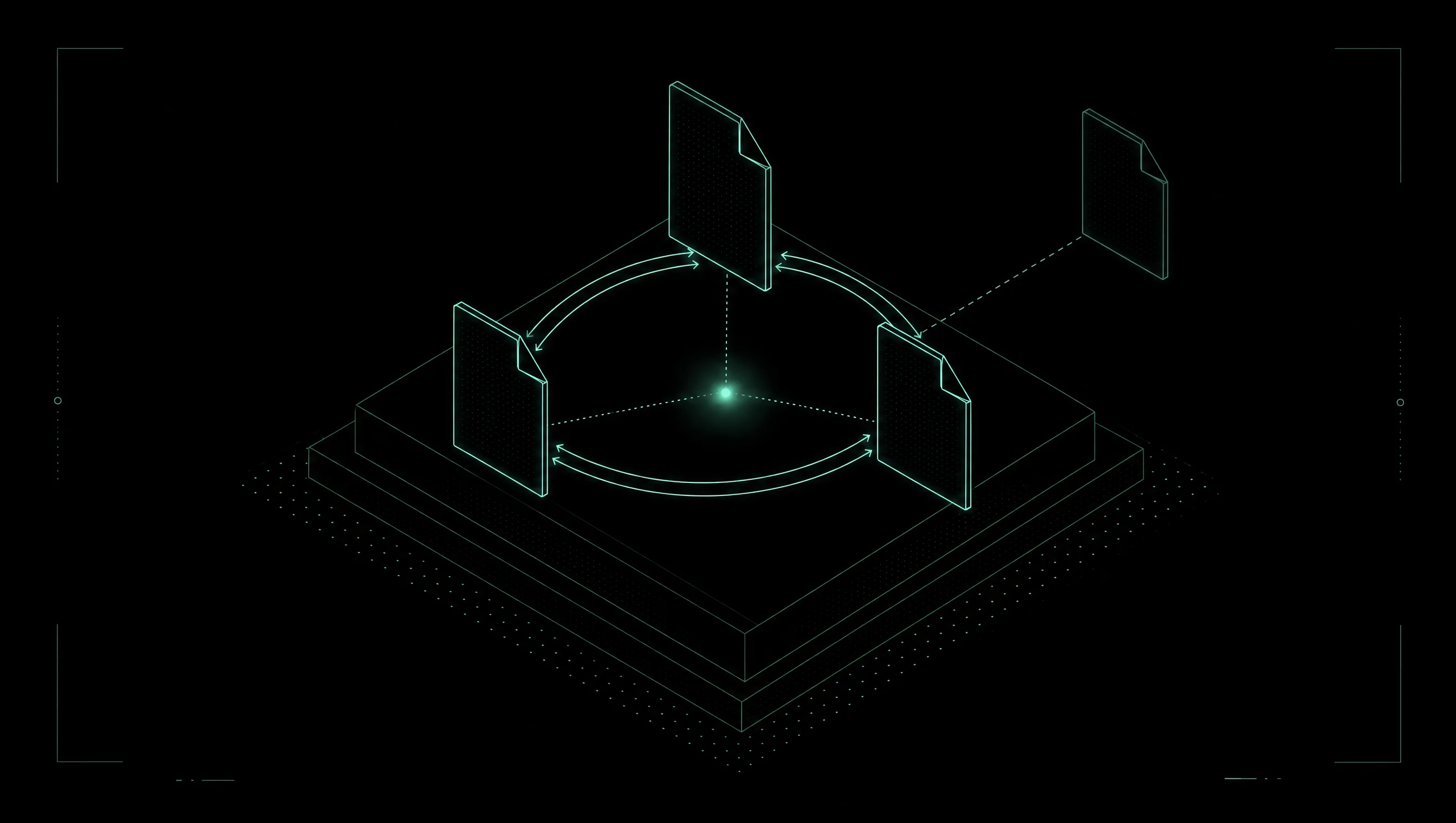
The difference is this: with “built multilingual,” each language version is a real, own, structured source — with its own address, its own clean facts, its own citability; with “translated,” there's only an automatic translator laid over a single language version. Many businesses have a site in one language and put an automatic translator in front for the others. At first glance it looks multilingual, but it isn't.
Native multilingualism means: German, Italian and English are anchored in the foundation from the ground up, not overlaid afterwards. Every language is first class, not a passenger. That's exactly what makes you a solid source in each of the three language areas.
How Google matches separate language addresses to one another is covered in hreflang in plain English.
The quiet advantage for South Tyrol and the DACH region
A business set up cleanly trilingual from the start covers three markets at once: the German-speaking area, the Italian one and — via English — the international one. Where others have to start over for each market, you're already there.
And the best part: this advantage doesn't cost you triple the work, if the foundation is built right. The core data exists once in structured form, each language version is cleanly maintained instead of machine-guessed. This everyday South Tyrolean fact of life becomes a real digital competitive advantage.
What you take away
Check whether your languages are really standalone or just machine-translated: does each language have its own clean version — or is there just a translation filter over everything? In the first case you can be found in three markets. In the second, realistically only in one. For a business at the language border, that's a difference that pays off.
How cross-regional reach grows out of this is in Think globally, be found locally
Frequently asked questions.
Is AI visibility worth it for a local business in South Tyrol?
Right now more than ever: only 8% of Italian SMEs use AI (Eurostat/Politecnico di Milano) — so many local competitors don't have the topic on their radar yet, while 60–65% of the DACH population already actively searches via AI. This window closes a little with every season.
What does GEO get me — why should my website be cited by AI?
When more and more people get their answers straight from ChatGPT, Perplexity or Google's AI, whether you get found is no longer decided by your Google ranking alone — but by whether the AI names you as a source. That is where GEO (Generative Engine Optimization) comes in: it prepares your content so AI systems can read it correctly, understand it and cite it in their answers. The benefit is concrete: you get a chance of being recommended when a potential customer asks the AI for a provider like you — with clear, independently readable statements, structured data and machine-readable formats. If you're not visible here, you simply don't exist for this growing group of searchers.
Is an automatically translated website enough for AI visibility?
No. An automatically translated website comes across to AI answer engines as thin and often faulty — they prefer to cite a standalone, cleanly maintained language version with its own address and clear facts. Native multilingualism (each language anchored in the foundation from the ground up) is the basis for being a solid source in every language area; an automatic translator on top does not.