A translate button doesn't turn one website into three
Berger+Team · Oct 21, 2026
Topic: Multilingual website
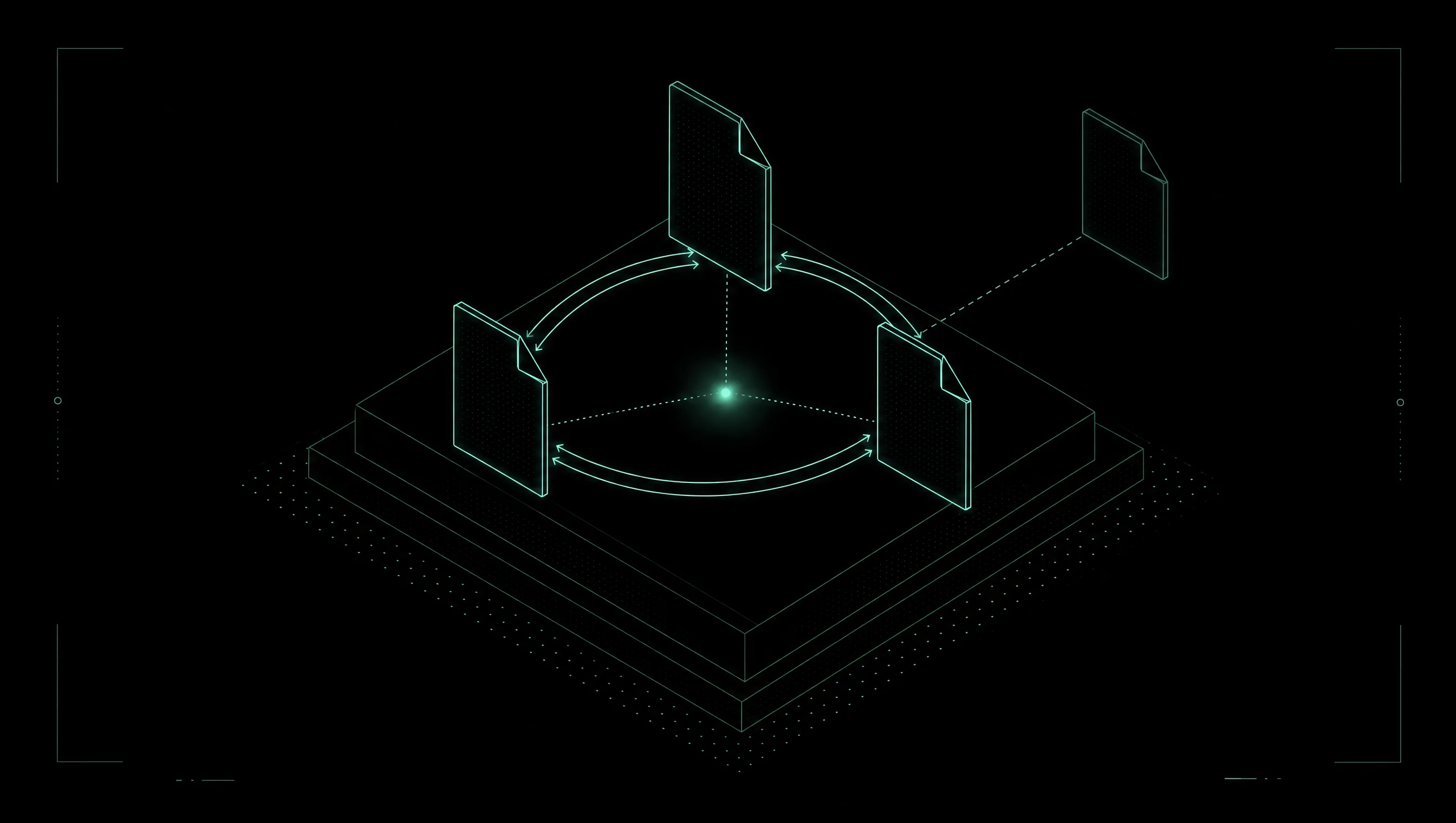
An automatic translate button creates no second source for AI systems, because no second address ever comes into being — and the address is exactly what an AI answer engine cites. If you want to be recommended in German, Italian and English across South Tyrol, you need three standalone language versions, not a switch sitting on top of a single page.
What an AI cites is an address, not a view
An AI answer engine doesn't remember a view, it remembers an address: a specific page it can fetch, read and later name as a source. For multilingual websites, Google explicitly recommends a dedicated URL for every language version instead of switching languages via cookies or browser settings (Google Search Central, Managing multilingual sites). The reasoning behind that applies to AI systems just as much: anything that only appears after a click in the browser simply does not exist for a machine that fetches the page once.
The practical test takes ten seconds. Switch your site to Italian and watch the address bar. If it doesn't change, you don't have an Italian page — you have a German page with a translation filter in front of it.
Three languages means three versions, not three buttons
A standalone language version is more than translated body copy. Four things make it up:
- An address of its own, one you can copy, pass on and link to.
- Its own page title and description — not the German version waved through.
- Its own structured data, meaning machine-readable facts about services, location and availability in that language.
- Its own answers to the questions people in that language actually ask.
The last point gets overlooked most often. An Italian search for a service rarely uses the translation of the German term — it uses the term that is standard in the Italian market. A filter that converts word for word only hits that term by accident. A version of its own hits it because somebody thought it up in that language.
Why this counts double in South Tyrol
What makes South Tyrol special is that two language groups look for the same business — same valley, same day, two languages. A trades business in the Unterland gets asked in German and in Italian. Add a guest's English enquiry in summer and it is three language markets for one single business.
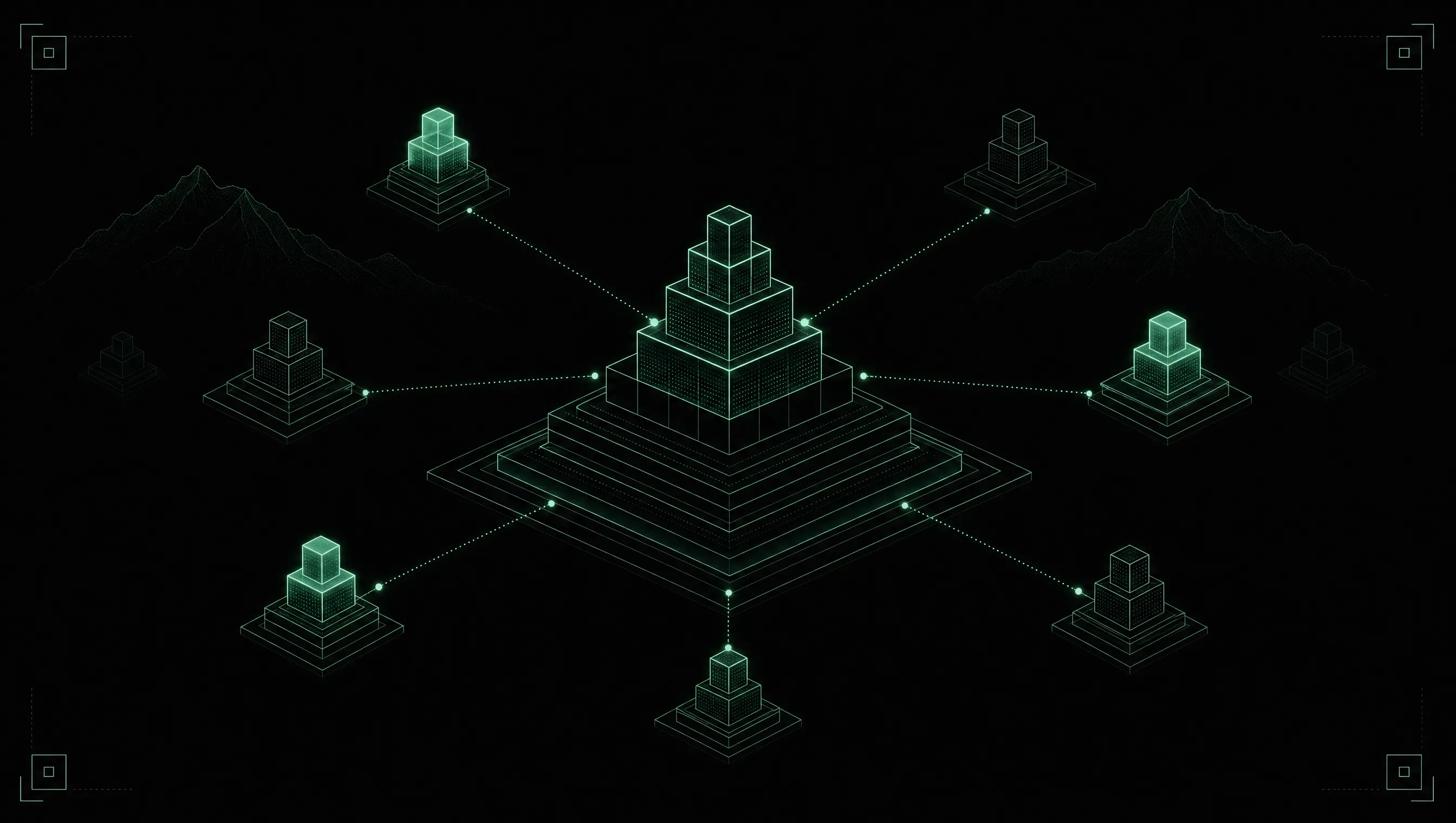
An AI answers each of these queries in the language it was asked in, and it draws by preference on sources in exactly that language. If you only have one real version, in the other two cases you can at best be guessed at. That is the difference between “also available in Italian” and “citable in Italian”. Visibility in three languages does not come from showing one text three times; it comes from that text existing three times as a source of its own. That is what multilingualism means once a machine is the reader.
The honest part: machine translation is not the problem
One misunderstanding up front: this is not an argument against machine translation. A machine is welcome to write the first draft. What matters is what happens next — whether a native speaker reads it over, corrects it and publishes that version as a page in its own right. Then it is a real source.
The machine is not the problem. The button is: a translation nobody has read, nobody can correct, and that never gets an address of its own.
Check it yourself in five minutes
- Switch the language and watch the address bar — does it change?
- Copy the Italian version and open it in a private window — is the page still Italian?
- Open your domain's robots.txt and follow the sitemap line — do addresses for all three languages show up?
Three times yes means your languages stand on their own feet. One no is not a disaster, it is a clearly defined next job.
And if every address is in the sitemap, that still doesn't mean Google knows it yet — how a new page gets onto Google is covered in New page live.
How Google then matches the separate versions to each other is explained in hreflang in plain English.
What it actually costs
Three real language versions are real work — nobody should sugarcoat that. But the effort depends almost entirely on how the foundation is built. If a business's facts sit in one single place and only the text differs per language, you update opening hours once instead of three times. That is exactly how we build it: German, Italian and English anchored in the foundation as equals from day one, not bolted on afterwards. There is more on our page about the multilingual website, and why being trilingual is a location advantage in the first place is something Three Languages, One Citability covers in detail.
If you want to know whether your languages really count as three sources for an AI: drop us a line, and we will look at the address bar together.
Frequently asked questions.
Is an automatically translated website enough for AI visibility?
No. An automatically translated website comes across to AI answer engines as thin and often faulty — they prefer to cite a standalone, cleanly maintained language version with its own address and clear facts. Native multilingualism (each language anchored in the foundation from the ground up) is the basis for being a solid source in every language area; an automatic translator on top does not.
Multilingual — is that shaky?
No. German, Italian and English are anchored at the core — translated URLs, clean language signals, one editing interface. No after-the-fact translation workarounds. More: Multilingual website in detail.
Is AI visibility worth it for a local business in South Tyrol?
Right now more than ever: only 8% of Italian SMEs use AI (Eurostat/Politecnico di Milano) — so many local competitors don't have the topic on their radar yet, while 60–65% of the DACH population already actively searches via AI. This window closes a little with every season.
What does GEO get me — why should my website be cited by AI?
When more and more people get their answers straight from ChatGPT, Perplexity or Google's AI, whether you get found is no longer decided by your Google ranking alone — but by whether the AI names you as a source. That is where GEO (Generative Engine Optimization) comes in: it prepares your content so AI systems can read it correctly, understand it and cite it in their answers. The benefit is concrete: you get a chance of being recommended when a potential customer asks the AI for a provider like you — with clear, independently readable statements, structured data and machine-readable formats. If you're not visible here, you simply don't exist for this growing group of searchers.