4.5 Weeks: How Quickly an AI Forgets You Again
Berger+Team · Sep 25, 2026
Topic: AI discoverability (GEO)
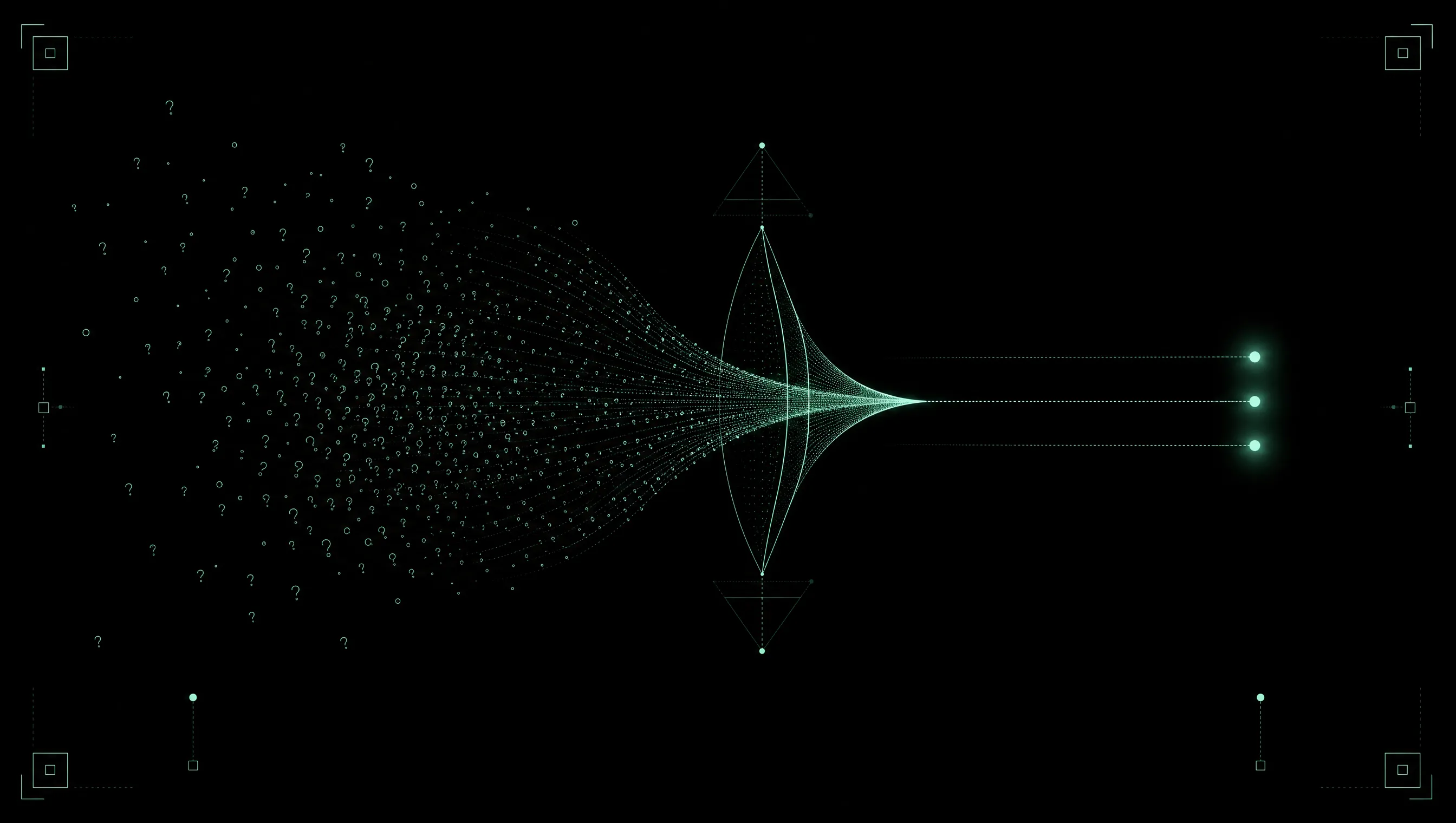
On average, an AI answer engine takes just 4.5 weeks to "forget" unchanged content on a single website and start citing it less often, or not at all. That's the median citation half-life measured by a large Scrunch and Stacker study in early 2026 — more than three million citation events across eight industries and six AI platforms, tracked over 26 weeks.
Think of an AI as a memory that's constantly being re-fed. What you "told" it a few weeks ago fades — not because it was wrong, but because fresher stories simply crowd it out.
Why an AI "forgets" anything at all
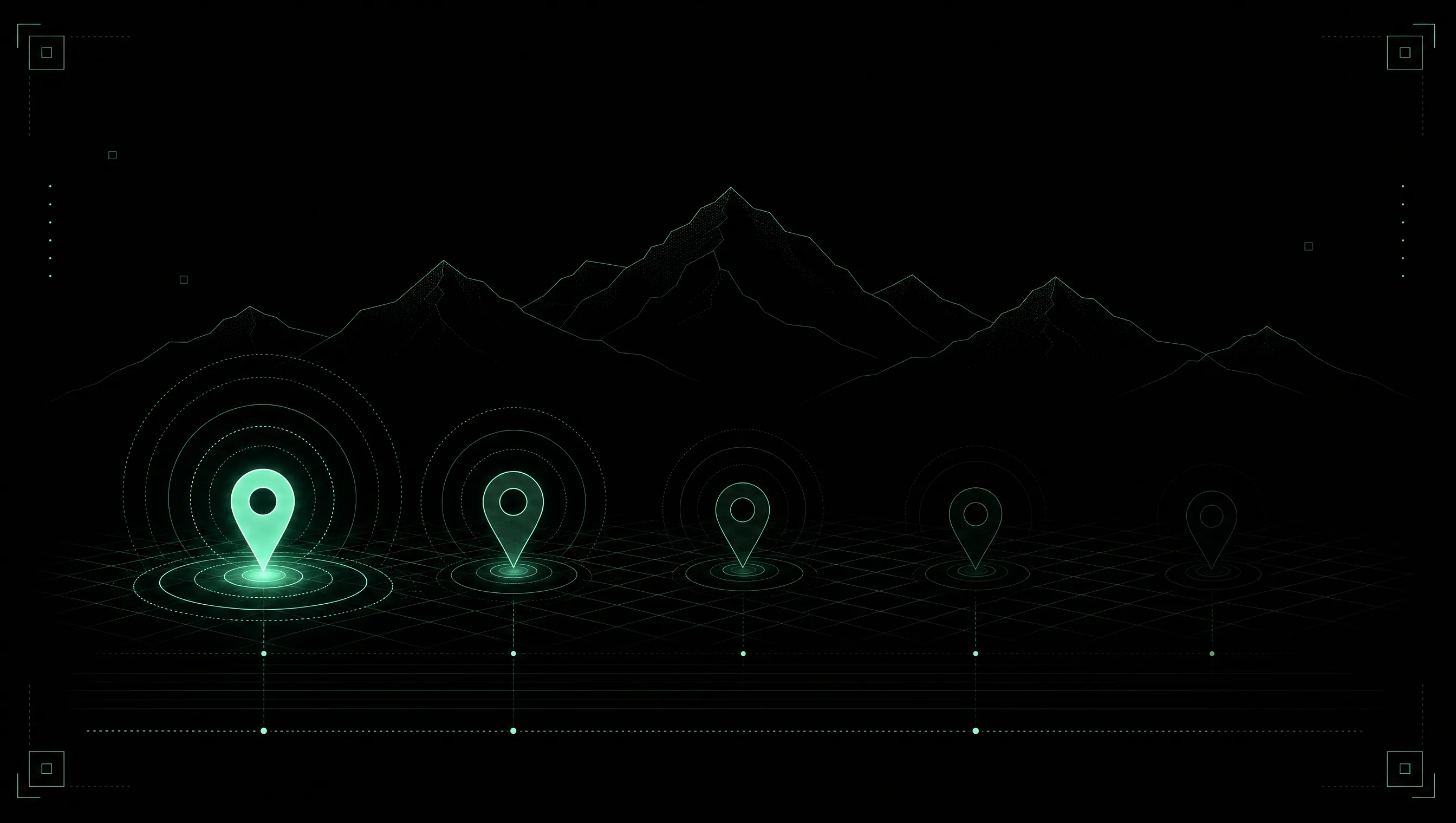
An AI doesn't forget in a technical sense — it constantly re-weighs which source currently counts as up to date and reliable, and older, unchanged pages automatically slip down the list. How fast that happens differs from system to system. ChatGPT is the quickest, on average after around 3.4 weeks. Google's AI surfaces take a bit longer, roughly 4.3 to 4.8 weeks. Perplexity holds onto old sources the longest, on average 5.7 to 5.8 weeks.
The simple lever against it: staying current
The most effective lever against being forgotten is refreshingly simple: according to the same study, content updated within the last 30 days gets around 3.2 times more AI citations than older, untouched pages. A website that's never touched is like a shop window that hasn't been redecorated in months — passers-by eventually stop looking. An AI does much the same thing: it favours the source that's visibly being kept up.
What this means for your business
For you, that means becoming AI-readable once isn't enough if the content then sits untouched for months. A simple example: if a business changes its opening hours in autumn but the website still shows the summer hours, an AI is likely to pick up the outdated figure — or simply leave the business out of the next answer, because it favours a more current source.
Keeping things current takes the least effort when these facts are maintained in a single place and update everywhere automatically, instead of having to be corrected by hand in five different spots. That way, "updating regularly" stays a matter of minutes, not a project of its own.
For a full overview of AI visibility in South Tyrol and the DACH region, read the guide to AI visibility.
Frequently asked questions.
Is it enough to make my website AI-ready once, or do I need to keep maintaining it?
No — AI visibility is not a one-off task, it requires ongoing upkeep. Observations of AI citations suggest that unchanged content gets cited less often over time, because AI systems favour sources that are visibly kept current.
In practice, that means opening hours, services and other core facts should be checked regularly and updated immediately when they change — the fresher the content, the more likely it is to show up in AI answers.
What does GEO get me — why should my website be cited by AI?
When more and more people get their answers straight from ChatGPT, Perplexity or Google's AI, whether you get found is no longer decided by your Google ranking alone — but by whether the AI names you as a source. That is where GEO (Generative Engine Optimization) comes in: it prepares your content so AI systems can read it correctly, understand it and cite it in their answers. The benefit is concrete: you get a chance of being recommended when a potential customer asks the AI for a provider like you — with clear, independently readable statements, structured data and machine-readable formats. If you're not visible here, you simply don't exist for this growing group of searchers.
Why doesn't good content for humans automatically translate into AI visibility?
Good content for humans is allowed to be entertaining, evocative and written in marketing language — “Your trusted partner for generations…” reads well to a human. An AI, however, can do little with phrases like that, because they contain no verifiable information.
What AI systems favour is information density: clear, self-contained statements with concrete facts, figures and relationships that make sense even without the rest of the page. The trick is combining both — marketing tone for humans, but with a factual core an AI can cite without having to interpret it.